Leila
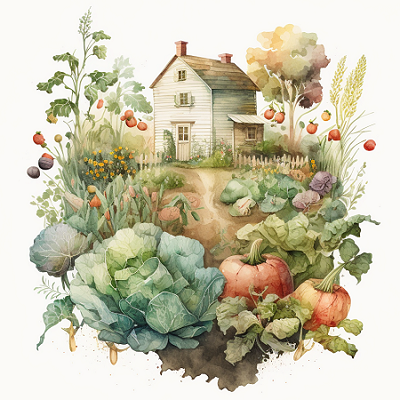 Have you ever wondered exactly what a “kitchen garden” is or how it differs from a regular vegetable garden?
For starters, a kitchen garden or potager (pronounced puh-ta-zhay), is a special kind of edible garden with a rich history tracing back to old English and French culinary gardens.
Much like a traditional vegetable garden, a kitchen garden is a chef’s delight filled with delicious fruits, vegetables, herbs and edible flowers. In short, a kitchen garden is a celebration of fresh ingredients and delicious home cooked meals.
Both kitchen and traditional gardens offer a sense of satisfaction coupled with tangible rewards for a job well done. Beyond these similarities, there are some distinct differences between the two, however.
A kitchen garden has three main characteristics: Continue reading
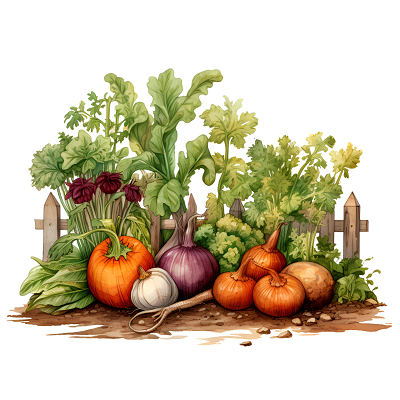 A well-planned potager, or kitchen garden, can be a beautiful and enticing way to incorporate more fresh fruits, vegetables and herbs into your diet. The following tips will help you plan a productive and practical potager.
1 – Pick the Perfect Spot
When choosing a location for your kitchen garden, try to find a spot as close to your kitchen as possible. After all, you want your own personal culinary garden to be easy to reach while you are preparing meals.
The location you choose must also take into consideration the kind of environment your plants prefer. Choose a sunny location that receives at least 6 hours of direct sunlight per day. If you live in a really hot climate, you may find a bit of afternoon shade is nice to have, as well.
Also, you’ll want to make sure the location you choose has easy access to water. You definitely don’t want to drag a heavy garden hose around the house or carry buckets of water in order to keep your plants hydrated. Continue reading
 Trial and error is how most shade gardening experts go about their garden. There is no exact science to it, but vegetable gardens can grow in shady spots. A rule of thumb exists, though, that determines what vegetable is more effective at growing in said spots. Experts have concluded that a little shade is fine if gardeners grow for the buds, stems, and leaves. On the other hand, plants that are grown for the fruit and root needs full sun.
Gardening in a shady location needs more attention than normal ones. You need to determine the quality of shade, level of the plant’s fertility, temperature, soil type and how much the plants get moisture. All these factors affect the success or failure of your venture.
Different Types of Shade
The sun is a major component for vegetables and plants to bear fruit. No vegetable garden can survive without sunlight. And having limited access to it means limited results. That’s why having shaded gardens can be quite disappointing. You don’t get the most out of your garden. Continue reading