Gardening Tips
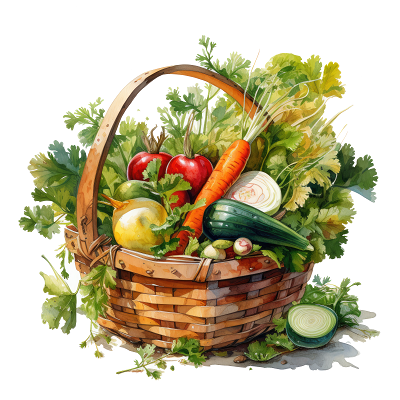 Have you ever stopped to think about your vegetable gardening goals? If you are like many gardeners, you may find your main motivation is simply to get outside and reconnect with nature by digging in the dirt. You may also enjoy gardening as a way to squeeze more physical activity into an otherwise hectic schedule. Without question, growing a vegetable garden is a very relaxing way to accomplish these goals.
A sense of personal satisfaction and better overall health are admirable and worthwhile objectives on their own. However, if you dig a little deeper you may find you have a number of other goals for your vegetable garden. If you find you are short on gardening space, clearly defining these goals before you begin growing will make it a lot easier to achieve them. Continue reading
 Timing plays a very crucial role in planting. Any experienced gardener can attest to this. That’s why most gardeners plant during spring. Springtime is the time of rebirth, rejuvenation, and renewal to the every living organism, including plants. It’s the most opportune time to start a home garden and plant seeds.
You don’t need to rush planting if it’s already planting season. There are some other things you need to handle before planting, like your space and soil. If you consider yourself a novice, you need to ask yourself first – what do I want to plant and how many do I want to plant now?
Planning
Having a good plan before planting is a wise move. The last thing a gardener wants to see is their efforts and time go to waste. It is always a good measure to examine your space first. Continue reading
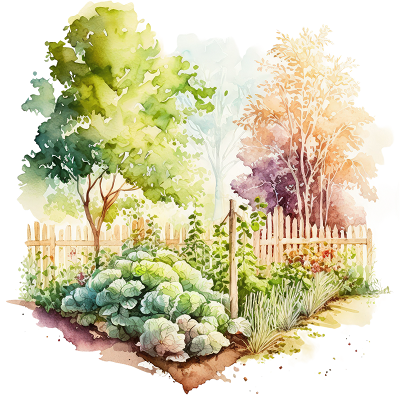 Succession planting is a growing method designed to maximize the amount of fresh produce that can be harvested from a particular growing area. It is all about the efficient use of time and space to produce high level results. For this reason, succession planting is worth a look if you have limited space or if you just want to get as much reward as possible from your gardening efforts.
Single Crop vs. Multiple Crop Strategies
There are a couple of ways you can approach succession planting. One option is to focus on growing a single crop in a defined area. The other option is to inter-plant several complementary plant species within the same area. Regardless of which option you choose, it’s a good idea to start small with one or two beds until you get the hang of creating a planting schedule that works for you. In general, experimenting with a single type of plant or several that are closely related, such as different types of salad greens, is also recommended. Continue reading