Gardening Tips
 In the 2010 reboot of the movie The Karate Kid, Jaden Smith tells his young Chinese love interest, in a feeble attempt at Chinese, “wu ji bi fan,” relaying what Jackie Chan’s character told him: “too much of something isn’t good.” Though the Chinese girl laughs and corrects Jaden’s pronunciation, the quote is true with many things in life, like eating too much chocolate will give you headaches, being exposed to the computer screen for too long can eventually harm your eyes, and too much fertilzer can damage or kill your garden plants.
Yes, it can happen. As much as fertilizer gives a positive effect on the plant because, well, it’s called fertilizer for a reason, over fertilization of your garden can produce the reverse effects that it’s supposed to show: stunted growth, unhealthy leaves, weakness or vulnerability to pests, and worst case scenario, you’ll have to say “bye-bye” to the plants you’ve taken care of for quite a time. Continue reading
 Experienced gardeners have different methods to fend off pests. You might have heard of the “garlic-in-between-plants” method, which most old timers swear by. Planting garlic is actually a form of a natural pesticide. It is one of a thousand techniques and tricks you can pull off to repel harmful insects in your garden.
You can categorize all methods into three – planting, putting and mixture. You plant a natural pesticide, put a natural pesticide, or you spray a mixture. There is no need for harmful chemical solutions and mixtures. Knowing these simple, but effective techniques will surely minimize the hassles of keeping a 24/7 eye on your garden.
It has been proven by science that certain varieties of flowers can drive away harmful pests from your garden. These flowers contain properties that either invite beneficial insects or repel harmful insects. A number of good insects feed on harmful insects, so if you can attract these predators, not only are you protecting your garden, but you are also recruiting additional security all at once. Continue reading
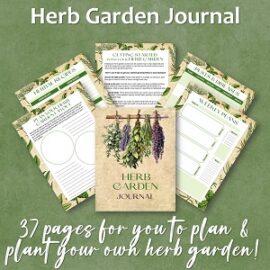
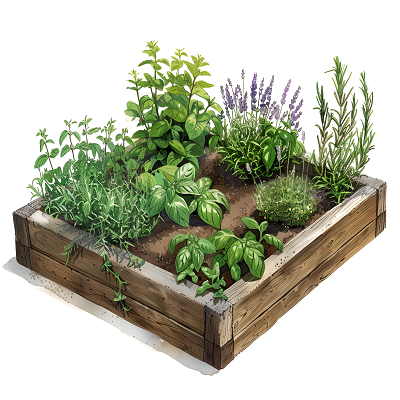 As you embark on your journey to growing more food from home, you might also want to be able to season your food. This is where herbs come in. Having fresh herbs on hand is a great way to be encouraged to cook more at home and experiment with different flavors. You can start your own herb garden with these easy tips.
Choosing Your Herbs
When you want to start an herb garden, the first thing you will do is choose the types of herbs to grow. While technically you can choose any herbs you want, there are a few things to consider. First, you want to think about the herbs that are easier to grow, such as basil, chives, dill, and oregano. These are good for beginners because they are simple to grow, even for black thumbs.
Then there are the herbs that are good to get as young plants. That way, you don’t have to start them from seeds. Herbs that are often available as young plants from nurseries are sage, thyme, rosemary, and basil. Of course, you should also think about the herbs you will use most in your cooking. Continue reading