Monthly Archives: March 2017
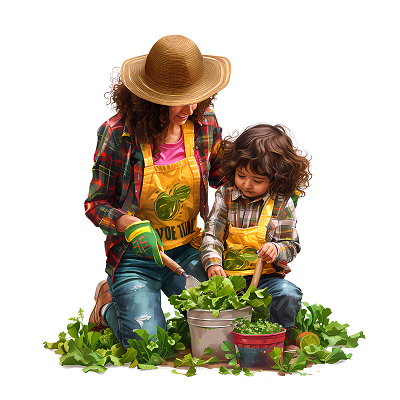 Experienced gardeners have different methods to fend off pests. You might have heard of the “garlic-in-between-plants” method, which most old timers swear by. Planting garlic is actually a form of a natural pesticide. It is one of a thousand techniques and tricks you can pull off to repel harmful insects in your garden.
You can categorize all methods into three – planting, putting and mixture. You plant a natural pesticide, put a natural pesticide, or you spray a mixture. There is no need for harmful chemical solutions and mixtures. Knowing these simple, but effective techniques will surely minimize the hassles of keeping a 24/7 eye on your garden.
It has been proven by science that certain varieties of flowers can drive away harmful pests from your garden. These flowers contain properties that either invite beneficial insects or repel harmful insects. A number of good insects feed on harmful insects, so if you can attract these predators, not only are you protecting your garden, but you are also recruiting additional security all at once. Continue reading
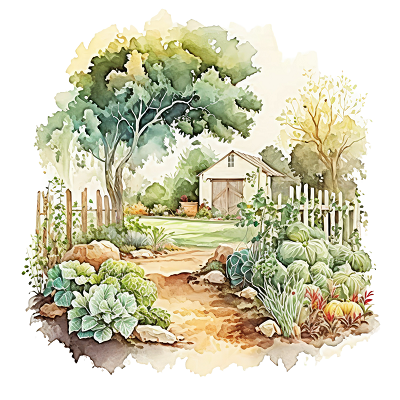 Tired of looking at your plain green lawn? Why not turn part of it into a garden? Transforming part of your lawn into a garden is not hard. It is not that expensive, either. The garden might even help you save money on food purchases. More importantly, you’ll have a pleasing and rewarding hobby. After all, maintaining a garden is far better off than mowing, fertilizing, and watering your demanding green grass.
First of all, you must determine if the soil is safe and free from contaminants before cutting out the part of the lawn for your planned garden. Gather a few samples of it and let it be tested in a soil lab. By this test, you will know the quality of the soil and if it has nutrient insufficiency. If the soil is positive for pollutants, you can still establish a safe garden by building raised beds and bringing in clean topsoil or compost.
Second, make sure your garden gets plenty of sunlight. Pay attention to your yard during the day and take note of areas that get most of the sunlight. You must also think about the access of water to your garden. Continue reading
 Starting a garden isn’t that hard. You just have to get started and learn as you go along. The home garden experts today were newbies once. You don’t get there by merely planning. Take action. Get a shovel, dig out the dirt and start planting a few plants. Learning soil cultivating methods, like mulching or composting, can also help because in the long run, your garden will depend on the quality of your soil.
The healthier your soil is, the healthier your plants will be. Healthy organic soil has a huge difference in the success of growing food. It also promotes a web of live organisms, including fungi, bacteria, nematodes as well as slugs and worms that play crucial roles in your plants’ life. Most of the composts in the commercial ads are low in microbial life and sterilized. Soil life is complex so you have to be careful on how to make it healthy. You must be aware about using pesticides because it kills your soil; hindering your garden’s full potential. Here are some natural organic methods to make your garden soil more productive: Continue reading