Monthly Archives: March 2017
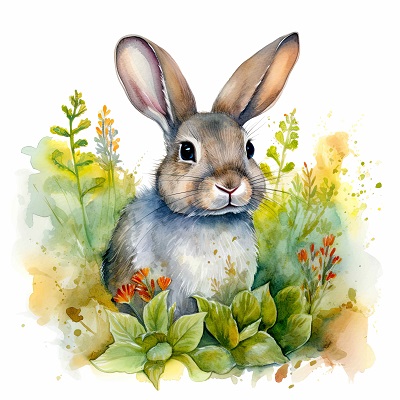 How can you keep rabbits out of your garden? Long ago, the best solution was to shoot them on the spot. But that was a long time ago. Although in some parts of the world it is still practiced, we highly discourage you from following that example (unless you plan to eat them). Alternative methods can be done today that weren’t available in the old days.
Instead, you should consider building a rabbit-proof fence. It is expensive, but essential to ward off these pests — each one of which will eat a pound of your fresh greens per day.
The Fence
Considering fencing, it must be at least 4ft high and of 1 inch or 2 inches of mesh wire-netting. Buy a roll 5ft wide, because the bottom 6 inches or so of wire will have to be buried in the ground and angled outwards. This will stop the rabbits as they attempt to burrow under the fence. They may have another try farther along, but they will eventually give up and your vegetables will be safe. Continue reading
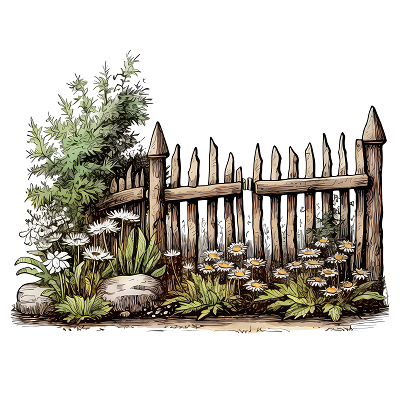 One of the worst things in the world is to wake up in the morning and realize your vegetables have been vandalized, destroyed or eaten. Make it as difficult as possible for deer to use your garden as a buffet and playground. Look for tracks and deer paths, this way you’ll know where the deer are entering your garden, and head them off.
Keeping Deer Out of Your Garden
There are some repellents that may keep deer from your garden. Although no plant is completely deer-proof, certain generalizations can be made about plants that deer are likely to ignore. Fuzzy-leaved plants seem to be unpalatable to deer—the hairs on the leaves must be irritating to the tongue. Lamb’s ears, licorice plant, and lady’s mantle are good examples. Continue reading
 A common question newbie gardeners ask is: how will I know when to water my garden? When it comes to watering the garden, there are no fixed rules. It greatly depends on the soil, type of plant, and other factors.
The Soil
Experienced gardeners examine first the soil’s condition before watering. They will know it is time to water when, of course, the soil is dry. Conversely, if the soil is pretty much moist, it is an indicator the plants don’t need watering.
Watering
Watering needs to be done in moderation. Too much water could suffocate the plants. Meanwhile, too little could lead to dehydration. So, how do you know when to stop watering plants? When water starts to accumulate or pool, this is a signal to stop. Continue reading