Monthly Archives: March 2017
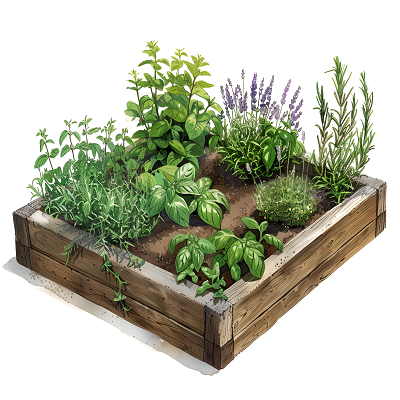 As you embark on your journey to growing more food from home, you might also want to be able to season your food. This is where herbs come in. Having fresh herbs on hand is a great way to be encouraged to cook more at home and experiment with different flavors. You can start your own herb garden with these easy tips.
Choosing Your Herbs
When you want to start an herb garden, the first thing you will do is choose the types of herbs to grow. While technically you can choose any herbs you want, there are a few things to consider. First, you want to think about the herbs that are easier to grow, such as basil, chives, dill, and oregano. These are good for beginners because they are simple to grow, even for black thumbs.
Then there are the herbs that are good to get as young plants. That way, you don’t have to start them from seeds. Herbs that are often available as young plants from nurseries are sage, thyme, rosemary, and basil. Of course, you should also think about the herbs you will use most in your cooking. Continue reading
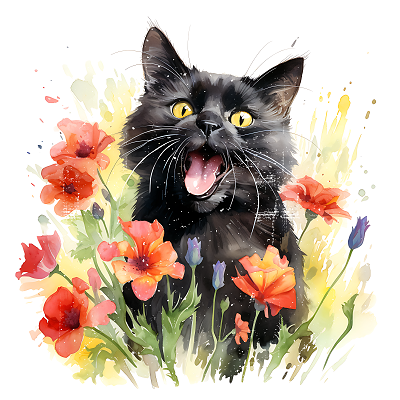 It’s no secret — cats are unpredictable and extremely territorial so keeping cats out of garden areas can be a bit tricky. They mark their territory by depositing pheromones from scent glands (urinating or otherwise), and will continue to visit as long as their scent remains.
Best approaches Known to Keep Cats Away from Gardens
Broadly speaking, we can label all of these diverse approaches as “cat repellents,” since they are all designed to repel unwanted feline intruders from a specific area. But I’ll also provide an example of the commercial products more narrowly associated with the label, “cat repellents,” namely, products that come in a can and are sprinkled on the ground to keep cats away. Continue reading
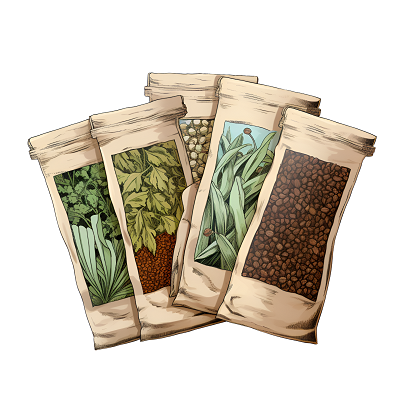 First, the soil needs to be ready before any seeds are planted. Acquire some ordinary garden compost, take the big rocks and pebbles from the soil. Then, take an ordinary seed tray; fill it with the sieved compost. Firm the soil down a little, not too much. Just make a nice flat surface. The compost needs to be watered first to make sure it is damp. Get the vegetable seeds and shake out some seeds into the palm of your hand.
Sew them thinly, into the top of the compost. It can be quite difficult to see the seeds because they are usually black. Don’t worry if you drop them a little bit close together because as they come up, you can always thin them out. Reserve the remaining seeds for the second sewing. You can either cover the seeds with another sieving of compost, not too much, just about a quarter of an inch.
Make sure you’ve got an even covering, water lightly again over the surface, then you take your seed tray and place it in a propagator until the seeds have germinated, then you can move them back out into your greenhouse. And that is how you plant vegetable seeds. Continue reading